
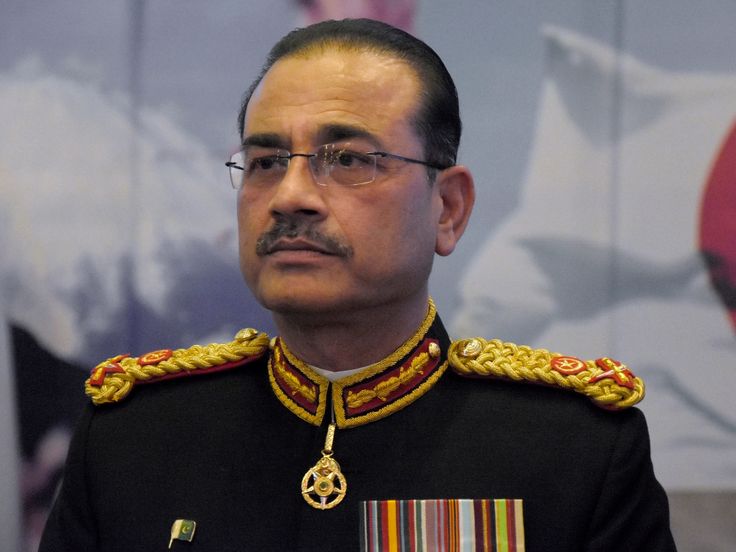
Asim Munir Appointed Pakistan’s First Chief of Defence Forces: A Historic Move

Pakistan’s Military Restructuring: A New Era Begins
In a historic move, Field Marshal Asim Munir has been appointed as Pakistan’s first-ever Chief of Defence Forces (CDF). This monumental change, notified on Friday by the Ministry of Defence, comes after approval from President Asif Ali Zardari, following the advice of Prime Minister Shehbaz Sharif.
This new position consolidates the role of Chief of Army Staff (COAS) and the CDF, making it a significant shift in Pakistan’s military command structure. The appointment is a direct result of the sweeping military restructuring under the 27th Amendment to Pakistan’s Constitution, which consolidates operational, administrative, and strategic authority into a single office. More visits to https://pak.net.pk/
A Historic Restructuring of Military Leadership
Field Marshal Asim Munir, who has been serving as the army chief since November 2022, now holds dual responsibility. He is appointed not only as the COAS but also as the Chief of Defence Forces for a term of five years. This marks a critical change, as the office of the Chairman Joint Chiefs of Staff Committee (CJCSC) has been abolished. The new role centralizes military command and coordination under one unified authority.
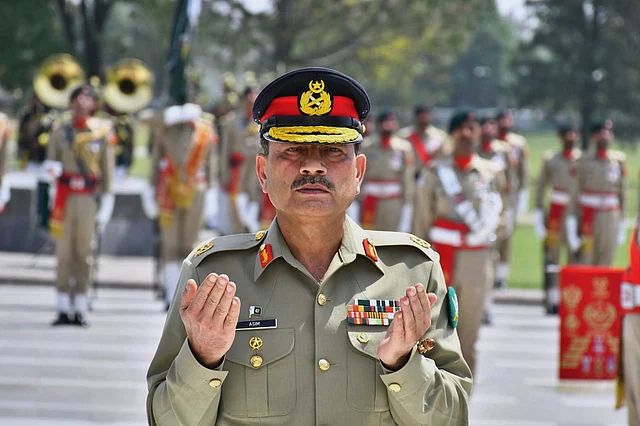
The decision represents one of the most significant changes to Pakistan’s defence structure in decades. By merging these roles, the government aims to create a more streamlined chain of command that can respond more effectively to modern security challenges.
The Legal Framework Behind the Appointment
The appointment follows the constitutional amendments that introduced significant changes to the Pakistan Army Act. The amendment under Article 243 now enables the president, on the advice of the prime minister, to appoint the Chief of Army Staff as the Chief of Defence Forces. This role supersedes the need for the CJCSC, effectively dismantling the previous tri-service coordination system that had been in place since 1976.
The five-year tenure for this position begins from the date of the notification, resetting the tenure for Field Marshal Asim Munir. This allows him to hold the position of both the COAS and the CDF until 2035, providing continuity and stability in military leadership during a crucial period of transition.
Understanding the 27th Amendment
The 27th Amendment to the Constitution is a game-changer for Pakistan’s military framework. It fundamentally shifts the command structure, empowering the newly appointed CDF with military, strategic, operational, and administrative control. This enhanced authority is designed to improve jointness across services, bringing the military into a more unified command structure.
One of the most important aspects of this restructuring is the extension of service tenures. Under amendments made to the Pakistan Army Act, the tenure of the three services chiefs has been extended from three to five years, with the possibility of reappointment or extension for up to five years. This provides greater stability and allows for longer-term strategic planning.
What This Means for Pakistan’s Defence
The creation of the CDF role addresses several longstanding challenges in Pakistan’s military structure. Previously, coordination between the three services often required complex inter-service negotiations. With a single chief overseeing all forces, decision-making is expected to become faster and more efficient.
This restructuring also reflects modern military thinking seen in many advanced nations, where integrated command structures have proven more effective in addressing contemporary security threats that don’t fit neatly into traditional service boundaries.
Field Marshal Munir’s Role and the Challenges Ahead
Field Marshal Munir’s leadership will be pivotal in the reorganization of Pakistan’s military apparatus. With the abolition of the CJCSC office and the creation of the CDF role, much of the responsibility for inter-service cooperation, joint operations, and multi-domain integration now rests on his shoulders.
The coming months will likely see further adjustments within the military hierarchy, including the finalization of the new organogram, which will clarify the relationship between the CDF, the service chiefs, and the newly established strategic command. These changes won’t happen overnight, and careful implementation will be crucial to ensure a smooth transition.
Looking Forward
Field Marshal Asim Munir’s appointment as Pakistan’s first Chief of Defence Forces represents a bold step into a new era of military organization. The restructuring of Pakistan’s military command structure aims to improve operational effectiveness and ensure unified command across all services.
This transition signals a shift towards modernization and enhanced coordination, providing Pakistan’s armed forces with a streamlined and more strategic approach to defence operations. While challenges undoubtedly lie ahead, this restructuring positions Pakistan’s military for more effective responses to the complex security environment of the 21st century.

The success of this historic change will depend on effective implementation and the ability of the new structure to deliver on its promise of improved coordination and operational efficiency. Only time will tell how this transformation shapes Pakistan’s defence capabilities in the years to come.