
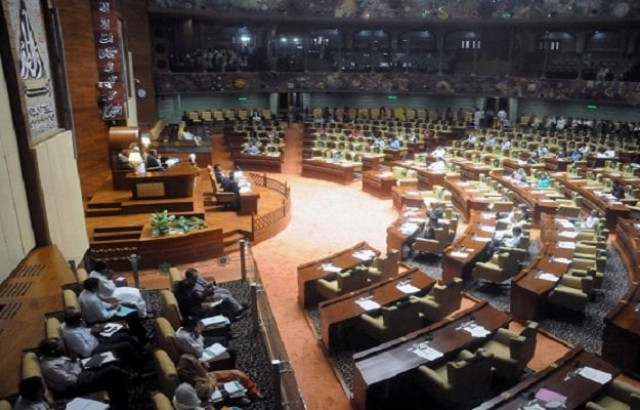

Pakistan’s history continues to cast long shadows over its present. A recent resolution passed by the Sindh Assembly honoring Bihari community members who fought alongside the Pakistan Army during the 1971 war has sparked fierce criticism from Sindhi nationalist groups. The controversy reveals deeper tensions about identity, settlement rights, and competing narratives of Pakistan’s most traumatic historical episode.
The Resolution That Started It All
On December 16, the Sindh Assembly passed a resolution paying tribute to members of the Bihari community who fought with Pakistani forces during the 1971 conflict in what was then East Pakistan and is now Bangladesh. The date itself carries significance—December 16 marks the anniversary of Pakistan’s military defeat and Bangladesh’s independence.
For those who proposed the resolution, it represented recognition of a community’s sacrifice and loyalty to Pakistan during a difficult moment in the nation’s history. The Bihari community in erstwhile East Pakistan had largely supported the unity of Pakistan, and many faced severe consequences after Bangladesh’s independence. Thousands were stranded in refugee camps for decades, and some eventually made their way to Pakistan, particularly to Sindh and Karachi.
The resolution seemed, on its surface, to be a gesture of acknowledgment toward people who had paid a heavy price for their political choices. But in Pakistan’s complex ethnic politics, few gestures are simple or without controversy.
The Nationalist Response
The Sindh Rehbar Committee, an umbrella organization of various Sindhi nationalist groups, responded with sharp criticism. Meeting in Hyderabad on Thursday, the committee described the resolution as deceptive and part of a broader government plan to permanently settle immigrants in Sindh.
The meeting brought together leaders from multiple nationalist organizations—Jeay Sindh Mahaz, Jeay Sindh Qaumi Mahaz, Jeay Sindh Qaumi Party, and Jeay Sindh Tehreek. This coalition represented a united front from movements that, despite their differences, share concerns about Sindh’s demographic changes and political autonomy.
Riaz Ali Chandion of Jeay Sindh Mahaz chaired the gathering, which issued a strongly worded statement calling the assembly’s move a betrayal of Sindh’s interests. The nationalist leaders framed the issue not as one resolution but as part of ongoing efforts to undermine Sindhi unity and identity.
Understanding the Context
To grasp why a seemingly straightforward resolution provoked such strong reactions, you need to understand Sindh’s demographic and political landscape. The province has experienced substantial immigration throughout Pakistan’s history, beginning with Partition in 1947 and continuing through various waves since then.
Karachi, Sindh’s largest city and Pakistan’s economic hub, has a complex ethnic composition. Mohajirs—Urdu-speaking migrants who came from India at Partition—constitute a significant population. Over decades, the city has also attracted Pashtuns, Punjabis, and people from other parts of Pakistan seeking economic opportunities. More recently, Afghan refugees and Bangladeshi migrants have added to this diversity.
For Sindhi nationalists, each wave of migration raises concerns about demographic balance and political representation. They argue that Sindhis are becoming minorities in their own province, particularly in urban centers like Karachi and Hyderabad. These fears aren’t entirely unfounded—census data shows significant demographic shifts, though interpreting those numbers and their implications remains contentious.
The Bihari community represents another chapter in this immigration history. While exact numbers are unclear, substantial populations of Biharis who came from Bangladesh now live in Karachi and other parts of Sindh. Their settlement happened gradually over decades, often through informal channels, and their legal status and citizenship rights have sometimes been ambiguous.
The 1971 War and Its Legacies
The 1971 war that led to Bangladesh’s independence remains deeply painful for Pakistan. The military defeat, the breakup of the country, and the atrocities committed during the conflict left wounds that haven’t fully healed more than five decades later.
Different communities remember 1971 differently. For Bengali nationalists who fought for independence, it represents liberation from oppression. For West Pakistani nationalists, particularly those with military connections, it remains a defeat that should never have happened. For Biharis who sided with Pakistan, it became a catastrophe that left them stateless and stranded.
The Bihari community in East Pakistan faced severe repercussions after Bangladesh’s independence. Perceived as collaborators with Pakistani forces, many were subjected to violence and discrimination. Hundreds of thousands ended up in refugee camps, where many lived for decades hoping to eventually migrate to Pakistan. Some eventually did, though the process was slow, complicated, and incomplete.
This historical background explains why honoring Biharis as martyrs carries such emotional and political weight. For some, it acknowledges genuine sacrifice and suffering. For others, particularly Sindhi nationalists, it represents rewarding people who fought against Bengali self-determination while simultaneously threatening Sindh’s own ethnic balance.
The Demographic Anxiety
Sindhi nationalist concerns about settlement aren’t new. They’ve been articulating these worries for decades, arguing that successive governments—whether civilian or military—have pursued policies that dilute Sindhi demographic strength and political influence.
The nationalists point to several historical grievances. The creation of Karachi as a federal territory separate from Sindh province in the 1960s, though later reversed, represented a loss of control over a major economic center. The construction of large dams that flooded Sindhi lands while primarily benefiting other provinces feeds resentment about resource exploitation. Administrative divisions that create new provinces or autonomous regions from Sindh territory are viewed as attempts to weaken the province.
Against this backdrop, any move that seems to facilitate or legitimize further immigration becomes controversial. The Sindh Assembly resolution on Bihari martyrs triggered alarms not because of what it said about 1971 but because of what nationalists fear it signals about current policy—specifically, that the government intends to formalize and expand Bihari settlement in Sindh.
Whether these fears are justified requires examining actual government policy, which isn’t always transparent or consistent. What’s clear is that the perception exists, and in politics, perceptions often matter more than intentions.
The Question of Martyrdom
One particularly sensitive aspect of the resolution involves the term “martyrs.” In Islamic and Pakistani political discourse, martyrdom carries profound significance. It elevates individuals who die in righteous causes to a special status, meriting honor and emulation.
By declaring Biharis who fought in 1971 as martyrs, the resolution makes a strong statement not just about their actions but about the cause they supported. It implicitly validates the Pakistani military’s campaign in East Pakistan, a campaign that most of the world and many Pakistanis now recognize involved serious human rights violations.
This raises uncomfortable questions. Can those who fought on the side that committed atrocities be considered martyrs? Does honoring them dishonor the Bengali civilians who suffered? These aren’t just abstract philosophical questions—they touch on how Pakistan understands its own history and what values it wants to uphold.
Sindhi nationalists aren’t primarily focused on these moral questions, but the martyrdom designation adds another layer to their objections. It suggests not just settlement but glorification of a community whose presence they already view with suspicion.
Local Government and Administrative Concerns
The Sindh Rehbar Committee’s statement referenced administrative and local government issues in other provinces as part of ongoing conspiracies against Sindh. This connects the Bihari resolution to broader concerns about provincial autonomy and federal-provincial relations.
Pakistan’s system of federalism has always been contested. Provinces, particularly smaller ones like Sindh and Balochistan, frequently complain that the federal government and Punjab dominate decision-making. The 18th Constitutional Amendment in 2010 devolved significant powers to provinces, but implementation has been uneven, and tensions persist.
When Sindhi nationalists see a resolution honoring Biharis emerging from the Sindh Assembly, they suspect federal or external pressure. They question whether the provincial legislature is truly representing Sindhi interests or acting under influence from forces seeking to undermine provincial autonomy.
Similar concerns arise regarding administrative divisions. Proposals to create new provinces or administrative units from existing provinces are viewed not as rational governance reforms but as deliberate attempts to weaken provincial governments and reduce their bargaining power with the center.
The Rhetoric of Conspiracy
The nationalist statement’s language reveals how these groups understand their situation. Words like “conspiracy,” “deception,” and “undermining” paint a picture of coordinated efforts to harm Sindhi interests. This conspiratorial framing isn’t unique to Sindhi nationalism—it appears across Pakistani politics—but it reflects genuine feelings of powerlessness and marginalization.
When a community believes it’s under siege, it interprets ambiguous actions in the worst possible light. A resolution honoring Biharis becomes not just a gesture but evidence of a master plan. Administrative reforms aren’t efficiency measures but plots to divide and weaken. Immigration isn’t organic population movement but orchestrated demographic engineering.
Whether these beliefs are accurate doesn’t matter as much as understanding that they’re sincerely held. Dismissing them as paranoia misses the point. These fears emerge from real historical experiences of political marginalization, resource exploitation, and demographic change that has occurred without Sindhi consent or control.
The Assertion of Permanence
The nationalist statement concluded by stressing that Sindh has existed for thousands of years and no force can divide the province. This appeal to ancient history serves important political functions.
By invoking Sindh’s long history, nationalists ground their claims in something deeper than modern state borders or current demographics. They’re saying Sindh’s identity predates Pakistan, predates British colonial rule, predates the Mughal Empire. This ancient civilization has survived multiple invasions, migrations, and political transformations, and it will survive current challenges too.
This rhetoric of permanence offers reassurance to communities feeling demographically and politically threatened. It asserts that despite temporary setbacks or adverse developments, Sindhi identity and Sindh as a distinct entity will endure. It’s both a promise to supporters and a warning to opponents that Sindhis won’t simply accept marginalization.
What the Assembly Members Were Thinking
To be fair, the legislators who supported the Bihari resolution likely had different intentions than what nationalists attribute to them. Some probably genuinely believed in recognizing a community’s historical suffering and contribution. Others may have responded to political pressure from Bihari community organizations seeking acknowledgment and support.
Some assembly members might not have anticipated the strong nationalist backlash, underestimating how sensitive settlement and immigration issues remain in Sindh politics. Others may have calculated that the political benefits of supporting the resolution outweighed potential criticism.
The Sindh Assembly includes representatives from multiple parties with different ethnic bases and political philosophies. The Pakistan Peoples Party dominates but includes members with varying views on ethnic politics. The Muttahida Qaumi Movement, which primarily represents urban Urdu-speakers, would likely support such a resolution. Smaller parties might go along for various reasons.
Understanding the resolution requires seeing it not as a unified conspiracy but as the product of multiple political actors with different motivations making calculations about constituency relations, party positioning, and personal beliefs.
The Larger Pattern
This controversy fits a larger pattern in Pakistani politics where historical grievances, demographic anxieties, and identity questions intersect with current policy debates. Similar tensions exist in other provinces—Balochistan’s nationalist movements raise parallel concerns about Punjabi and Pashtun settlement; Khyber Pakhtunkhwa deals with questions about Afghan refugees and demographic change.
What makes Sindh’s situation particularly complex is Karachi’s unique status as both the country’s economic engine and an ethnic flashpoint. The city’s importance means that demographic and political questions there have national implications. Sindhi nationalists feel they’re fighting not just for provincial interests but for survival as a distinct community.
Moving Forward
This controversy won’t be the last of its kind. As long as Sindh continues experiencing immigration, as long as economic opportunities draw people to its cities, and as long as different communities remember history differently, these tensions will persist.
Several approaches might help manage these conflicts, though none offers easy solutions. Transparent data about actual demographic changes would help ground debates in facts rather than fears. Clear policies about citizenship, settlement rights, and provincial autonomy could reduce ambiguity that fuels conspiracy theories. Honest conversations about 1971 that acknowledge multiple perspectives might begin healing historical wounds.
Most fundamentally, Pakistan needs to develop a vision of national identity that doesn’t require erasing or subordinating provincial and ethnic identities. Sindhis, Punjabis, Pashtuns, Baloch, and others need to feel they can be fully Pakistani while maintaining distinct cultural identities and legitimate provincial interests.
The Bihari resolution controversy shows how far Pakistan remains from that goal. A simple legislative gesture intended to honor one community’s suffering instead became another flashpoint in ongoing struggles over identity, belonging, and power.
Until Pakistan resolves these fundamental questions about what kind of federation it wants to be and how it balances national unity with provincial diversity, resolutions like this one will continue sparking controversy rather than building consensus.