
Current Affairs of Pakistan 2026: Latest News, Key Issues, and Major Developments

Pakistan in 2026 stands at a critical crossroads. From political shifts to economic recovery, security challenges to diplomatic breakthroughs, the country is navigating one of its most defining periods in recent history. Whether you follow Pakistani news closely or simply want to stay informed, this complete guide to current affairs of Pakistan 2026 covers everything that matters right now.
Political Landscape of Pakistan in 2026
Pakistan’s political scene remains highly charged. The tension between major political parties continues to dominate national headlines. PTI, PML-N, and PPP are all actively positioning themselves ahead of future electoral battles.
Imran Khan’s legal situation remains one of the most discussed topics across the country. His supporters continue to demand his release while the government maintains its position through the courts. Political rallies, protests, and counter-protests have become a regular feature of Pakistan’s streets this year.
The coalition government led by Prime Minister Shehbaz Sharif has focused on economic stabilisation, infrastructure development, and maintaining relationships with key international partners. However, internal pressures within the coalition remain a constant challenge. For more information, visit the Pak Net.
Pakistan’s Economy in 2026 — Recovery or Relapse?
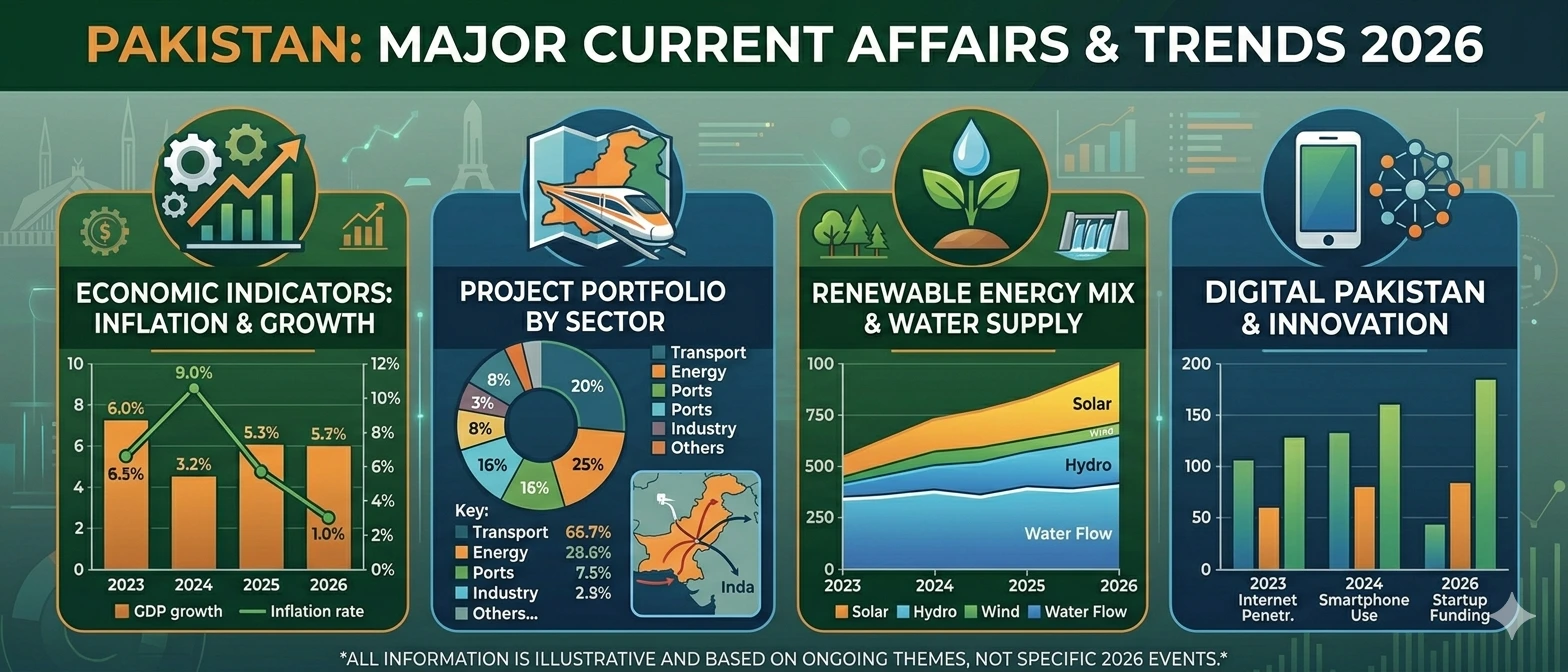
When discussing the current affairs of Pakistan 2026, the economy deserves top attention. The Pakistani economy has shown cautious signs of recovery after the crisis years of 2022 and 2023. The IMF programme has provided a financial lifeline, and inflation, while still elevated, has begun to ease compared to its peak levels.
Key economic indicators include gradual stabilisation of the Pakistani rupee, improved foreign exchange reserves, and a modest uptick in industrial production. However, unemployment remains a pressing concern, particularly among the youth population.
The government has pushed several initiatives aimed at attracting foreign investment in technology, agriculture, and energy sectors. CPEC continues to move forward with new projects entering implementation phases throughout the year.
Gold rates in Pakistan have seen significant movement, closely tracking global commodity trends and reflecting the economic anxieties felt by ordinary Pakistanis daily.
Security Situation Across Pakistan
Security remains one of the most critical dimensions of the current affairs of Pakistan 2026. Terrorism-related incidents, particularly in Khyber Pakhtunkhwa and Balochistan, have increased pressure on the military and law enforcement agencies.
Operation Azm-e-Istehkam continues to be the primary military response to growing militant threats. The Pakistan Army has conducted multiple operations targeting militant hideouts in tribal belt areas, resulting in both military successes and ongoing civilian concerns.
Balochistan continues to experience separatist activity alongside development projects funded through CPEC. The government has repeatedly emphasised that sustainable development is the long-term answer to the province’s deep-rooted security challenges.
Pakistan-India Relations in 2026
Pakistan and India relations remain among the most tense and closely watched stories in the current affairs of Pakistan 2026. Following the Pahalgam attack incident and subsequent diplomatic fallout, trade has been suspended and ties significantly downgraded between the two nuclear-armed neighbours.
Pakistan has firmly denied any state involvement in cross-border activities and called for international investigation and meaningful dialogue. China, the United States, and Gulf nations have all urged both sides to exercise maximum restraint.
The situation along the Line of Control continues to be monitored by global powers, keeping this bilateral tension at the very centre of regional geopolitics this year.
Pakistan’s Foreign Policy and Diplomacy
Pakistan’s foreign policy in 2026 has been characterised by active engagement on multiple fronts. Relations with Saudi Arabia, the UAE, and other Gulf states remain strong, with significant remittances continuing to support the national economy.
China remains Pakistan’s most important strategic partner. Bilateral cooperation across defence, infrastructure, and trade has deepened considerably. Pakistan has also worked to strengthen ties with Central Asian nations as part of its broader connectivity ambitions.
Relations with the United States remain complex but functional. Washington continues to view Pakistan as an important regional partner while pressing Islamabad on governance and human rights concerns simultaneously.
Energy Crisis and Power Sector Reforms
Pakistan’s ongoing energy crisis remains one of the most persistent issues in the current affairs of Pakistan 2026. Circular debt in the power sector continues to burden the national economy, and load shedding affects millions of households and businesses every single day.
The government has announced several reform packages aimed at restructuring power distribution companies and reducing transmission losses across the grid. Renewable energy projects, particularly solar and wind, have accelerated as Pakistan works to reduce costly dependence on imported fuel.
Petrol and diesel prices remain a sensitive political issue, with every adjustment at the pump generating immediate public debate and widespread media coverage.
Education and Youth Issues
Pakistan’s youth population is the largest in the country’s history. Providing quality education and meaningful employment to this generation is one of the defining challenges visible across the current affairs of Pakistan 2026.
Government initiatives in higher education, digital skills training, and vocational programmes have expanded in scope. However, the gap between urban and rural educational quality remains significant and difficult to close quickly.
Brain drain continues to be a serious concern, with thousands of educated young Pakistanis emigrating annually in search of better opportunities abroad.
Pakistan Cricket and Sports
Cricket remains Pakistan’s most powerful cultural force and a rare source of national unity this year. The Pakistan Super League continues to grow in global stature, attracting international talent and expanding its fanbase well beyond South Asia.
The debate around Muhammad Amir’s potential return to international cricket for the 2026 T20 World Cup has captured enormous public imagination. Pakistan’s bowling attack remains a subject of intense national discussion as selectors prepare for major upcoming tournaments.
Climate and Environmental Challenges
Pakistan continues to rank among the most climate-vulnerable countries in the world. The devastating floods of 2022 left a legacy of damaged infrastructure and agricultural losses that are still being addressed today.
Climate adaptation and disaster preparedness have become central parts of government planning across all provinces. International climate finance remains essential for Pakistan’s long-term environmental resilience.
Conclusion
The current affairs of Pakistan 2026 reflect a nation simultaneously facing serious challenges and pushing forward with genuine determination. Political uncertainty, economic pressure, security threats, and regional tensions are all real and significant forces shaping daily life.
Yet Pakistan also demonstrates remarkable resilience. Its people, institutions, and leadership continue to navigate difficulties that would destabilise many other nations. Staying informed about the current affairs of Pakistan 2026 is essential for anyone seeking to understand one of the world’s most important and complex countries today.