

The ongoing discussion around Pakistan and India’s scheduled T20 World Cup match has now reached a critical stage, with the International Cricket Council (ICC), Pakistan Cricket Board (PCB), and Bangladesh Cricket Board (BCB) actively involved in talks. What was initially a tournament scheduling issue has turned into a broader debate involving government positions, sporting principles, and regional tensions.
Pakistan has made its stance clear — the national team will participate in the World Cup but may skip the high-profile fixture against India. This decision has triggered urgent discussions within cricket’s governing circles, as the ICC emphasizes that all qualified teams are expected to compete according to the tournament schedule.
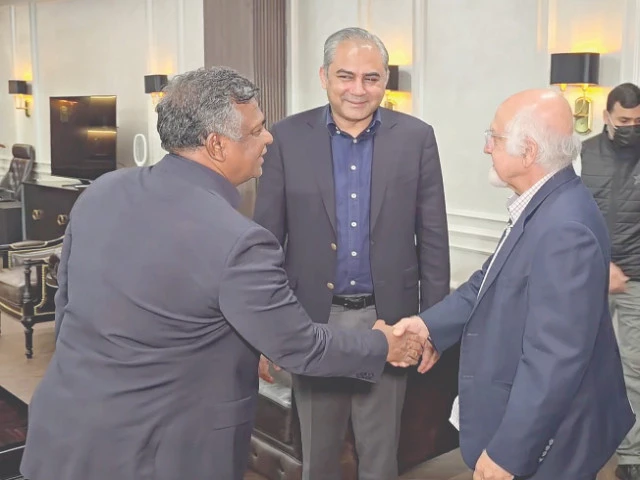
Recent meetings in Lahore brought together senior officials to find a workable path forward. The conversations reportedly focused on Pakistan’s concerns, the ICC’s expectations, and the wider impact such decisions could have on the tournament. While discussions remained professional and constructive, the final authority on Pakistan’s participation in the match now rests with the country’s leadership.
From a sporting perspective, the Pakistan-India encounter is more than just another group game. It is one of cricket’s most watched rivalries, attracting global audiences, major sponsorship interest, and significant broadcast revenue. Any disruption to this fixture has ripple effects across scheduling, commercial commitments, and tournament planning.
Adding another layer to the situation is Bangladesh’s earlier disagreement with tournament arrangements, which Pakistan publicly supported. These developments have intensified conversations around fairness, logistics, and how international cricket balances politics with competition.
For now, the cricketing world waits for clarity. Officials expect a final decision soon after consultations between PCB leadership and the government. Whatever the outcome, it will influence not just this tournament fixture, but also how future sporting disputes are handled on the global stage.
One thing remains certain: fans across the world are closely watching how cricket authorities navigate the intersection of diplomacy, competition, and the spirit of the game.