
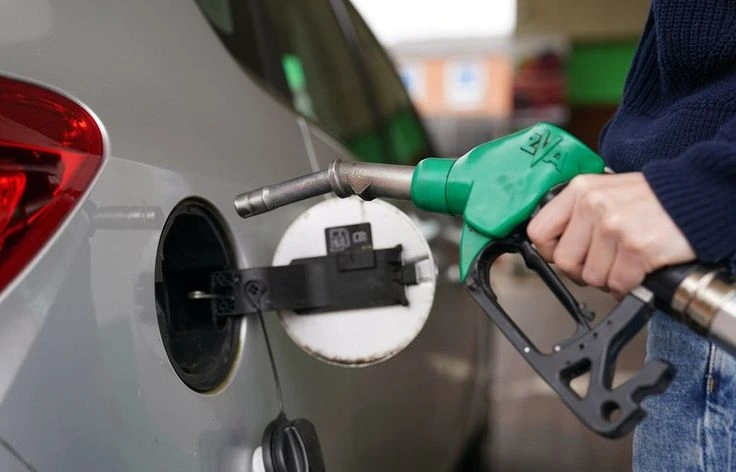

Fuel costs are one of the most discussed topics in Pakistan because they affect transport, food prices, and daily expenses. Whether you ride a bike, drive a car, or manage a business that relies on logistics, knowing the fuel prices in Pakistan helps you plan your budget better.
As of 3 April 2026, the government has announced new petroleum prices. These rates are usually revised twice a month based on international oil prices, currency exchange rates, and local tax policies.
Latest Fuel Prices in Pakistan
| Fuel Type | Old Price (PKR) | New Price (PKR) | Change |
|---|---|---|---|
| Petrol (Super) | 322.17 | 458.41 | +137.24 |
| High Speed Diesel | 335.86 | 520.35 | +184.49 |
| Light Speed Diesel | 159.76 | 395.03 | 0 |
| Kerosene Oil | 176.81 | 467.48 | 0 |
The updated fuel price in Pakistan shows an increase in petrol and diesel, mainly due to global crude oil trends and currency pressure.
Petrol Price in Pakistan
Petrol, also called super petrol, is the most commonly used fuel for motorcycles and private vehicles. It offers better engine performance because of its higher octane rating.
The current petrol price stands at PKR 458.41 per litre. Changes in petrol cost directly impact household expenses since transportation costs increase with every revision.
Diesel Price in Pakistan
High Speed Diesel is mainly used in trucks, buses, agricultural machinery, and heavy transport vehicles. Because diesel powers commercial activity, any increase raises transport and goods prices across the country.
The latest diesel rate is PKR 520.35 per litre.
Other Fuel Types Available in Pakistan
Apart from petrol and diesel, several other petroleum products are used across industries and households:
- Light Speed Diesel
- Kerosene Oil
- Liquefied Petroleum Gas (LPG)
- Compressed Natural Gas (CNG)
- High Octane Fuel
Each fuel type serves different purposes depending on vehicle type, machinery, or domestic needs.
Who Decides Fuel Price in Pakistan?
The Oil and Gas Regulatory Authority (OGRA) reviews petroleum prices and sends recommendations to the government. Final approval is given by the Ministry of Finance.
Prices are typically updated:
- On the 15th of each month
- On the last day of each month
These prices remain effective for the next 15 days unless emergency adjustments are required.
Reasons Behind Fuel Price Changes
Several factors influence the fuel price in Pakistan. Some of the main reasons include:
International Oil Prices
Pakistan imports a large portion of its petroleum. When global crude oil prices rise, local fuel costs also increase.
Currency Exchange Rate
Oil is traded in US dollars. If the Pakistani rupee weakens, fuel becomes more expensive.
Government Taxes and Levies
Petroleum development levy and sales tax significantly affect final retail prices.
Transportation and Refining Costs
Costs related to refining crude oil and transporting fuel across the country also impact prices.
Highest Petrol Price in Pakistan’s History
Pakistan saw its highest petrol price in September 2023 when it reached approximately PKR 331.38 per litre. That period was marked by currency depreciation and high global oil demand.
Impact of Fuel Prices on Daily Life
Fuel costs influence almost every sector of the economy. When the fuel rate in Pakistan increases, people feel the impact in multiple ways.
Inflation Increase
Higher fuel prices raise transport costs, which increases food and commodity prices.
Business Expenses
Manufacturing and logistics companies spend more on fuel, which raises product prices.
Household Budget Pressure
Daily commuters spend more on travel, reducing savings and spending power.
Transport Choices
People shift toward public transport, carpooling, or fuel-efficient vehicles when prices rise.
Can Fuel Prices Be Controlled?
Complete control is difficult because Pakistan depends on imported oil. However, governments can provide temporary relief through subsidies or tax reductions. Long-term solutions include:
- Increasing local energy production
- Promoting electric vehicles
- Improving public transport systems
Future of Fuel Prices in Pakistan
Fuel trends depend heavily on global oil markets and Pakistan’s economic stability. If the rupee strengthens and international oil prices fall, the fuel price in Pakistan may stabilise. Otherwise, fluctuations will continue.
Many experts also believe that alternative energy and electric vehicles will reduce dependence on petrol over time.
Fuel Price History Snapshot
| Date | Petrol Price (PKR) |
|---|---|
| April 2026 | 458.41 |
| March 2026 | 266.17 |
| Feb 2026 | 258.17 |
| Jan 2026 | 253.17 |
| Dec 2025 | 263.45 |
This pattern shows how frequently petroleum prices change within short periods.
Conclusion
Fuel prices play a major role in Pakistan’s economy and daily life. From transport costs to grocery prices, everything connects back to petroleum rates. Staying updated with the latest fuel prices in Pakistan helps individuals and businesses plan expenses more effectively.