

Recent Attacks and Escalation
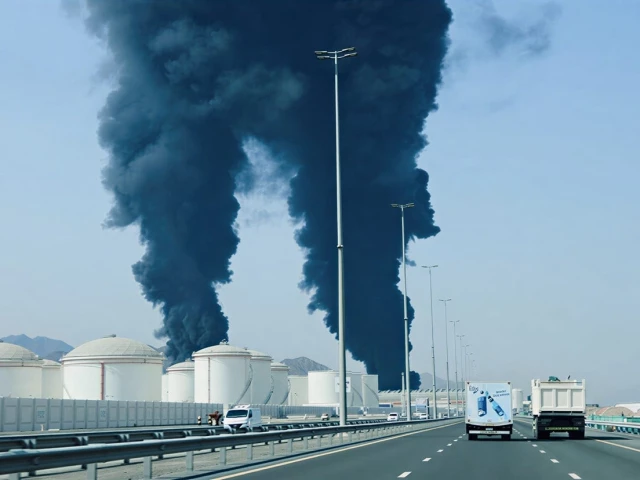
Iran’s recent missile strikes have taken a more aggressive turn, impacting several countries within the US-allied Gulf region. These attacks were aimed at the United Arab Emirates, Iraq, and Israel, intensifying the ongoing US-Israeli war with Iran. The UAE, which has been an ally of the US in its Middle Eastern strategy, saw drone attacks on oil facilities in Fujairah, disrupting the region’s vital energy sector. The missile strikes have led to significant casualties and raised global concerns about further escalation in the region.
Trump’s Shock and Regional Impact
Former President Donald Trump expressed surprise over Iran’s strikes on multiple Gulf allies, including Bahrain, Saudi Arabia, and Qatar. Despite prior intelligence warnings indicating that such retaliation could be expected if Iran’s sovereignty was threatened, the attack on US allies in the region has intensified tensions. Trump’s administration had been briefed that Iran might target these countries in response to US military action, something that became a reality.
Strait of Hormuz: A Strategic Concern
The ongoing conflict has significantly impacted global energy markets. The Strait of Hormuz, a vital waterway for the transport of oil, has been effectively closed by Iranian drones and naval mines. This strategic chokepoint, through which 20% of the world’s oil passes, is now a focal point of international diplomacy. US requests for allied warships to protect shipping lanes have been met with resistance, as countries like Germany, Spain, and Australia have cited legal and political reasons for not intervening. Meanwhile, global energy prices have surged as uncertainty over the reopening of the Strait persists.
Iran’s Resilience and Long-Range Strike Capabilities
Despite facing continuous bombardment from US and Israeli forces, Iran has demonstrated resilience. Tehran continues to launch long-range missile strikes, as well as deploying drones to target military and civilian infrastructure. Iran’s Speaker of Parliament, Mohammad Baqer Qalibaf, rejected foreign reports suggesting a decline in Iran’s military capabilities, asserting that their offensive power, experience, and accuracy had significantly improved.
Global Reactions and Diplomatic Strain
The diplomatic ramifications of the conflict are growing. US allies have expressed frustration over the lack of coordination before military actions, with some nations citing a lack of consultation from Washington and Israel before the strikes. Meanwhile, the European Union and NATO remain hesitant to escalate the situation further. The US has even suggested that China, a major importer of Iranian crude, should play a role in reopening the Strait of Hormuz, though Beijing has yet to respond definitively.
The Call for Regional Security
Iran has stressed the need for regional countries to take the lead in establishing security in the Middle East. Iranian Foreign Minister Seyyed Abbas Araghchi criticized US Defense Secretary Pete Hegseth’s statements about the war, claiming that the refusal to abide by international law and humanitarian principles was a moral failure. As the conflict continues, the international community is left grappling with the implications of these ongoing attacks and the broader regional stability they threaten.
Conclusion
As the situation in the Middle East becomes increasingly volatile, the global impact of Iran’s actions is undeniable. The conflict is no longer confined to military borders but has expanded to affect global energy prices, diplomatic relationships, and international law. With no clear end in sight, the region remains at a dangerous crossroads, with implications reaching far beyond the Middle East.