
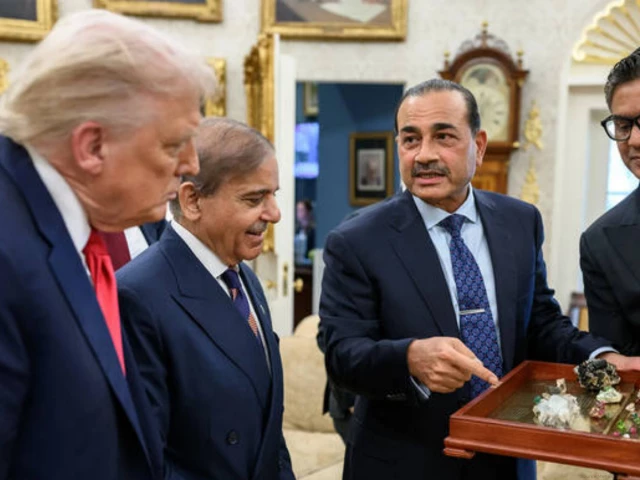

In recent years, Pakistan’s image in Washington has increasingly been shaped not only by diplomacy but also by a growing public relations and lobbying effort. Reports indicate that Pakistan-linked entities have spent millions of dollars to influence narratives, media coverage, and policy conversations in the United States. This evolving PR battle reflects deeper political divisions at home and shifting strategic priorities abroad. More visits to Pak Net.
Selling a Positive Economic Narrative
One visible strand of this effort focuses on presenting Pakistan as a country on the path to economic stability and reform. High-profile international media placements, special reports, and sponsored content have highlighted themes such as macroeconomic stabilization, export-led growth, and policy continuity. These narratives aim to reassure US policymakers and investors that Pakistan remains a viable and strategically important partner.
Such campaigns are often produced through international creative and media agencies and appear in major US outlets as sponsored content. While clearly labelled as paid material, these reports still succeed in generating visibility and sparking discussion — especially within policy and business circles.
Competing Political Messages
Pakistan’s international image-building is not driven by a single voice. Alongside government-led lobbying efforts, opposition-aligned diaspora networks are actively engaging US lawmakers, think tanks, and media outlets.
Supporters of Pakistan Tehreek-e-Insaf (PTI) have focused their messaging on democratic backsliding, rule of law, and the incarceration of former prime minister Imran Khan. Their objective is not only awareness, but also international pressure — including calls for hearings, statements, and potential policy actions.
This has resulted in two competing narratives in Washington:
- One emphasising stability, security cooperation, and economic opportunity
- The other highlights human rights concerns and democratic governance
The Role of Lobbying and FARA
Under the US Foreign Agents Registration Act (FARA), firms representing foreign governments or political interests must disclose lobbying and PR activities. Public filings show that Pakistan-related lobbying contracts in recent years have reached an estimated value of around $3 million, covering public affairs, congressional outreach, and strategic communications.
These disclosures also reveal the strategic framing of Pakistan’s pitch — including proposed cooperation on critical minerals, rare earths, and regional security. Such themes align closely with Washington’s broader geopolitical and economic priorities.
However, analysts caution that lobbying shapes conversation more than policy. While it may influence how Pakistan is discussed in media and congressional circles, fundamental policy shifts usually depend on larger strategic calculations.
Media Attention and Symbolic Gains
The PR push has generated tangible if mostly symbolic outcomes. Congressional letters, media interviews, and statements by international figures have kept Pakistan in the spotlight. For opposition groups, this visibility itself is a success, even if it does not immediately translate into policy change.
At the same time, Pakistan’s military and government officials have publicly pushed back against narratives they view as harmful to national security, arguing that external pressure campaigns risk undermining state stability.
A Broader Strategic Context
This battle for narrative control comes amid heightened regional tensions and renewed US interest in South Asia. Pakistan’s strategic relevance — from security cooperation to economic positioning continues to factor into Washington’s calculations.
Ultimately, Pakistan’s image in the US is being shaped by a complex mix of official diplomacy, paid PR, diaspora activism, and geopolitical realities. While millions may be spent on messaging, long-term shifts will likely depend on domestic political stability, economic performance, and alignment with broader US strategic interests.
Conclusion
Pakistan’s PR and lobbying efforts in Washington highlight how modern diplomacy increasingly extends beyond embassies into media, think tanks, and public opinion. The $3 million battle for attention underscores a simple reality: narratives matter but they are most powerful when backed by credible reforms and consistent policy direction at home.