
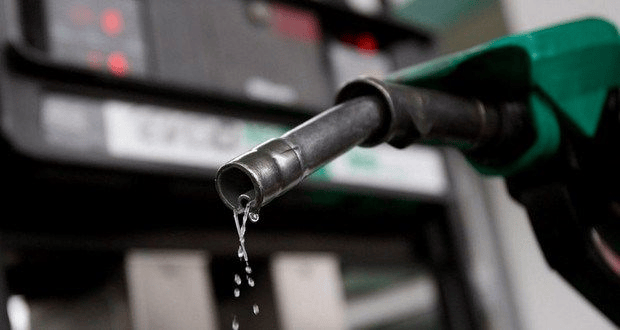

Fuel prices in Pakistan have reached extremely high levels, and there are growing concerns that petrol and diesel rates may increase even more in the coming days. The main reason behind this situation is the ongoing conflict in the Middle East, particularly the war involving Iran, which has disrupted global oil markets. More Information vizit to pak net.
Pakistan depends heavily on imported oil, and any instability in major oil-producing regions directly affects domestic fuel prices. Recently, the government increased petrol and diesel prices significantly, creating financial pressure on households and businesses across the country.
Currently, the petrol diesel price in Pakistan today is among the highest seen in recent years.
Latest Petrol and Diesel Prices in Pakistan
According to the latest official update, fuel prices in Pakistan increased sharply due to rising international oil prices.
- Petrol (Super): PKR 321.17 per litre
- High Speed Diesel: PKR 335.86 per litre
- Light Speed Diesel: PKR 159.76 per litre
- Kerosene Oil: PKR 176.81 per litre
Petrol and diesel prices increased by around PKR 55 per litre, which is considered one of the largest price hikes in Pakistan’s history.
This increase has already started affecting transportation costs and the overall cost of living in the country.
Why Fuel Prices Are Rising
The biggest factor behind rising fuel prices is the ongoing conflict involving Iran and its impact on global energy supply.
The Middle East is one of the most important oil-producing regions in the world. Many countries export crude oil through the Strait of Hormuz, a strategic shipping route where around 20% of the world’s oil supply passes daily.
Due to the conflict, shipping through this region has become uncertain, which has caused global oil prices to increase sharply. Analysts say oil prices have already crossed $100 per barrel in international markets due to the crisis.
When international oil prices rise, countries like Pakistan that rely on imports have no choice but to increase local fuel prices.
Iran War and Its Impact on Global Oil Supply
The ongoing war has created serious concerns about disruptions in oil transportation. If the conflict continues or expands, oil exports from the Middle East could be reduced.
Iran has previously warned that it could block shipping routes if attacks continue. Any disruption to oil supply in this region could lead to a global energy crisis.
Experts warn that if oil transportation through the Strait of Hormuz stops completely, global oil prices could rise even higher and create major economic problems for oil-importing countries.
Such a situation would also increase inflation around the world.
Why Pakistan Is Highly Affected
Pakistan imports a large portion of its oil from Middle Eastern countries such as Saudi Arabia and the UAE. Because of this dependency, any crisis in that region quickly affects Pakistan’s fuel prices.
Economic experts say the recent fuel price increase could trigger another wave of inflation. Transportation costs, electricity generation, and manufacturing all depend heavily on petroleum products.
When fuel becomes more expensive, the prices of many everyday goods also increase.
This means the fuel price hike does not only affect drivers but also impacts the entire economy.
Fear of Further Petrol Price Increase
There is a strong possibility that fuel prices may rise again if the Middle East conflict continues.
Energy analysts believe that global oil prices may remain unstable for several weeks. If crude oil prices continue rising in international markets, Pakistan may be forced to increase petrol and diesel prices again.
Some reports also suggest that the government may review petroleum prices more frequently due to the uncertain situation in global energy markets.
For consumers, this means fuel prices could remain unpredictable in the near future.
Impact on Daily Life in Pakistan
The increase in petrol and diesel prices has already started affecting people across Pakistan.
Transportation fares have increased in many cities, and goods transport companies are also raising their charges. As a result, the prices of vegetables, groceries, and other daily items may increase.
Businesses that rely on transportation or generators also face higher operating costs.
For many households, the rising cost of fuel adds additional financial pressure at a time when inflation is already high.
Conclusion
The petrol diesel price in Pakistan today reflects the impact of rising global oil prices caused by the ongoing conflict in the Middle East. With petrol now exceeding PKR 321 per litre and diesel above PKR 335 per litre, fuel has become a major concern for citizens.
Because Pakistan relies heavily on imported oil, the country remains vulnerable to international energy crises. If the Iran conflict continues or worsens, experts warn that petrol and diesel prices could increase further in the coming weeks.