
PM Announces Austerity and Energy Conservation Plan to Reduce Fuel Use in Pakistan

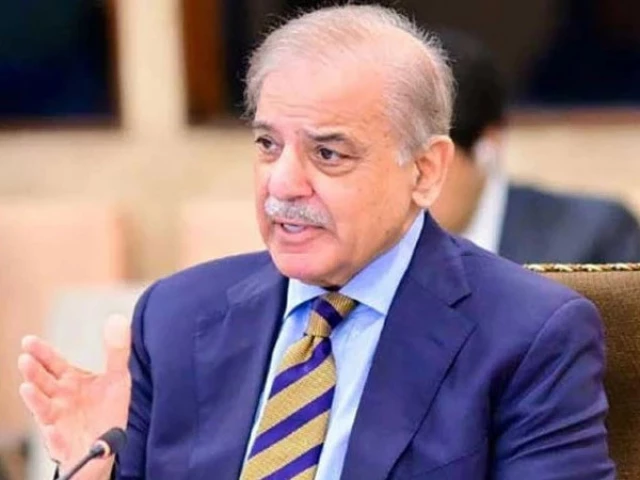
Pakistan is currently facing economic pressure due to rising global fuel prices and increasing energy import costs. In response to this situation, Prime Minister Shehbaz Sharif has introduced a series of austerity and energy conservation measures aimed at reducing fuel consumption and controlling government spending.
The government believes that these steps will help prevent further increases in petrol and diesel prices while also improving financial stability. The announcement was made during a national address where the prime minister explained the need for immediate action to manage the country’s energy resources more efficiently.
These measures will be implemented for a limited period and are expected to reduce unnecessary spending while encouraging responsible use of fuel and electricity across the country.
Government Introduces Austerity Measures
One of the main parts of the government’s plan focuses on reducing expenses within federal departments. Government ministries and departments will be required to cut operational spending and avoid unnecessary purchases.
The government has also decided to significantly reduce the use of official vehicles. Fuel allocated to government vehicles will be lowered, and a large number of official vehicles will remain unused during this period.
This step is intended to reduce fuel consumption and lower the overall demand for imported petroleum products.
Reducing government expenses is part of a broader effort to manage public funds more carefully during a time when the country is facing economic challenges.
Steps to Control Rising Fuel Costs
Fuel prices have been increasing worldwide due to higher global oil prices. This situation has affected many countries, including Pakistan.
To prevent further financial pressure on the public, the government has announced that it will try to avoid additional increases in petroleum prices.
However, officials have also acknowledged that global market conditions can make it difficult to fully control domestic fuel costs. Because of this, the government plans to use available financial resources to manage part of the rising costs.
Reducing fuel consumption through energy conservation is one of the key strategies being used to control the situation.
Salary Adjustments for Government Officials
The austerity plan also includes temporary financial adjustments for government officials and lawmakers.
Members of the federal cabinet have decided to give up their salaries for a short period. In addition, the salaries of members of parliament have been reduced.
Senior government officers and officials with higher salaries will also contribute a portion of their income to support relief efforts.
These measures are intended to show that government leadership is willing to share responsibility during economic difficulties.
The funds generated through these salary adjustments will be used to support public welfare and reduce financial pressure on the government.
Ban on Non-Essential Government Purchases
Another important step in the austerity plan is the restriction on purchasing new equipment for government offices.
Government departments will not be allowed to buy new vehicles, air conditioners, or other non-essential items during the implementation period.
This restriction is aimed at preventing unnecessary spending and ensuring that available resources are used only for essential services.
Such measures are commonly used by governments around the world during times of financial pressure.
Limits on Official Travel and Events
The government has also placed restrictions on official travel and large events funded by public money.
Foreign visits by senior government officials will be limited and allowed only when absolutely necessary. This step will help reduce travel expenses and save foreign exchange.
In addition, official dinners, receptions, and other large gatherings organised by government departments will be avoided.
Seminars and meetings will be arranged in government buildings instead of hotels or expensive venues.
These changes are expected to reduce unnecessary costs while maintaining essential government activities.
Reduced Work Week to Save Energy
To conserve energy, the government has introduced temporary changes to working schedules.
Public offices will operate for fewer days during the week for a limited period. The purpose of this step is to reduce electricity usage in government buildings and lower transportation-related fuel consumption.
Certain sectors such as banking, agriculture, and industry will continue operating normally because they are important for economic activity.
Reducing office operations for a short time can significantly lower energy consumption at a national level.
Changes in Education Sector
Educational institutions will also participate in the energy conservation plan.
Schools will observe temporary holidays for a short period, while universities and higher education institutions will shift to online classes.
Online learning will allow students to continue their education while reducing transportation fuel consumption and electricity usage in large campuses.
This approach has been used before and can help maintain educational activities while conserving energy.
Action Against Hoarding and Profiteering
The government has also warned businesses against hoarding goods or increasing prices unfairly.
Authorities have instructed provincial governments to take strict action against individuals or companies involved in illegal profiteering.
Monitoring teams will check markets to ensure that essential items remain available at reasonable prices.
These measures are designed to protect consumers and prevent artificial shortages in the market.
Importance of Public Cooperation
Government officials have emphasised that public cooperation will be necessary for the success of these measures.
Citizens are encouraged to conserve energy by reducing unnecessary travel and using electricity responsibly.
Simple steps such as turning off unused lights, sharing transportation, and avoiding unnecessary fuel consumption can contribute to national efforts.
If the public supports these initiatives, the country can reduce fuel demand and manage resources more effectively.