
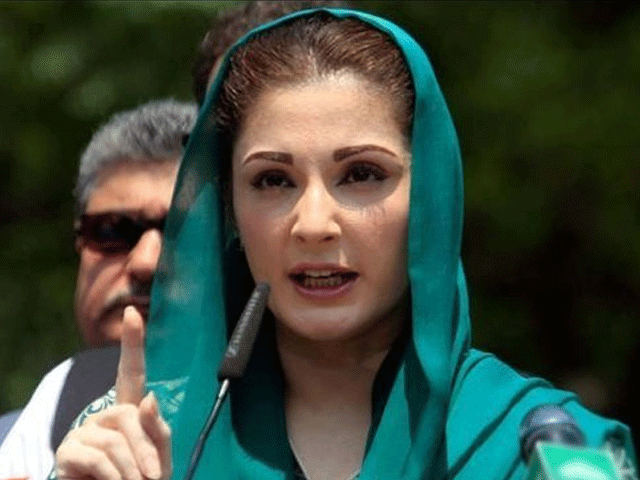

The recent visit of Punjab Chief Minister Maryam Nawaz to the University of Gujrat created discussion among students and observers. The event was organised to distribute laptops and scholarships to students from different districts of Gujranwala Division, including Sialkot, Narowal, and Gujrat. However, the arrangements and execution of the ceremony became a topic of debate. For more information, vizit to pak net.
Event purpose and arrangements
More than 3,000 students were invited to attend the ceremony. The main goal was to support education through scholarships and technology distribution. According to reports, the event planning and management were handled mainly by the provincial government team rather than the university administration.
University officials were responsible mostly for providing the venue and logistical support. Key academic representatives, including the vice chancellor, were not allowed to speak during the ceremony, which is usually part of such events.
Concerns raised by students
Some students felt the ceremony looked highly controlled and formal rather than student-focused. Some participants also expressed disappointment because the chief minister did not personally distribute laptops and awards before leaving the venue.
There were also opinions that smaller ceremonies within individual universities could have been more effective and respectful for students receiving awards.
Political moments during the visit
During the speech session, certain video clips related to political figures were shown on screens. The reaction from students was unexpected, and the clips were removed shortly after. This moment added a political angle to what was originally an educational event.
Political presence also influenced attendance. Some regional political leaders reportedly chose not to attend due to the participation of rival party members.
Role of the university administration
University representatives clarified that they had limited authority over invitations and event planning. Their role remained restricted to hosting and supporting the venue arrangements. Decisions regarding guest lists and program structure were managed by the visiting administration team.
Security and protocol measures
Strict security arrangements were implemented for the visit. The route from the helipad to the main venue was decorated with flowers, replacing traditional welcoming activities. Security clearance requirements also affected which individuals could attend the ceremony.
Conclusion
The event achieved its purpose of highlighting government initiatives for students, but it also raised questions about planning, student engagement, and political influence. The mixed reactions show that educational events involving political leadership often carry expectations beyond announcements and speeches.