
Trump Warns of Second US Strike in Venezuela if Government Refuses Cooperation

Former US President Donald Trump has warned that the United States may carry out a second military strike in Venezuela if remaining members of the government refuse to cooperate with Washington’s plans to stabilise the country. The statement comes days after the dramatic capture of Venezuelan President Nicolas Maduro, an event that has shaken Latin America and raised global concern.
Speaking to reporters aboard Air Force One, Trump said the US is prepared to take further action if officials linked to Maduro do not assist in efforts to curb drug trafficking and restructure Venezuela’s oil sector. His remarks signal a hardline approach and suggest that Washington is willing to escalate pressure beyond the initial operation.
Maduro’s Arrest and Rising Tensions
Maduro is currently being held in a New York detention centre, where he is awaiting a court appearance on drug-related charges filed by US authorities. Washington describes the operation as a law-enforcement action tied to long-standing criminal cases, including accusations of narco-terrorism conspiracy. Maduro has denied all charges.
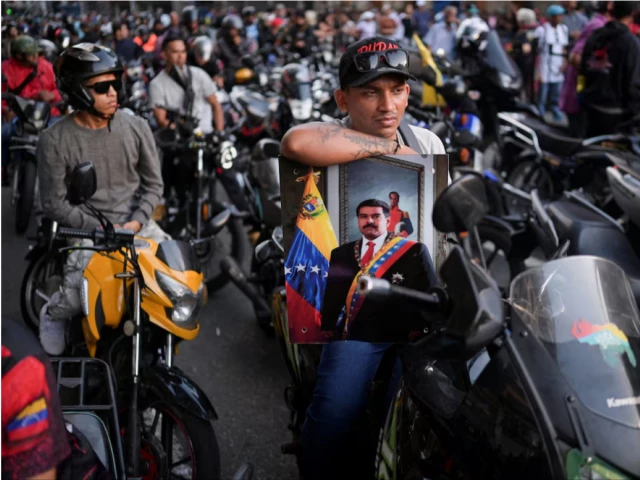
The arrest has created uncertainty inside Venezuela, where senior officials remain in control of key institutions. Government figures have condemned the US action as an illegal kidnapping and insist that Maduro remains the country’s legitimate president. Images of Maduro blindfolded and handcuffed have circulated widely, fuelling anger among supporters and concern among neutral observers.
Why the US Is Focusing on Oil and Drugs
Trump’s comments make it clear that the US strategy goes beyond legal accountability. He has repeatedly pointed to two priorities: drug trafficking and oil. Venezuela holds some of the world’s largest proven oil reserves, yet production has collapsed over the past decade.
According to Trump, cooperation from Venezuela’s remaining leadership could help overhaul the oil industry and reduce the need for further military action. He also accused the Maduro government of contributing to illegal migration and drug flows into the United States, claims that Venezuelan officials strongly reject.
Caracas has long argued that US interest in Venezuela is driven by natural resources rather than concern for democracy or human rights. Recent statements about granting US oil companies full access to Venezuelan reserves have reinforced these suspicions.
Interim Leadership and Conflicting Claims
Following Maduro’s capture, Vice President Delcy Rodriguez assumed the role of interim leader with the backing of Venezuela’s top court. Rodriguez, who also serves as oil minister, is seen as one of the more pragmatic figures within the ruling circle.
Trump claimed that Rodriguez may be willing to work with the United States, but she has publicly denied this. She has stated that Maduro remains president and that Venezuela will not submit to foreign pressure. Trump responded by warning that she could face consequences if she refused to cooperate, further escalating diplomatic tensions.
Regional and International Reaction
Trump’s remarks have alarmed leaders across Latin America. He suggested that countries such as Colombia and Mexico could also face pressure if they fail to reduce drug trafficking into the US, raising fears of broader regional intervention.
Cuba, a close ally of Venezuela, condemned the US operation and said dozens of its citizens were killed during the raid. Russia and China, both major supporters of the Venezuelan government, have criticised Washington and called for respect for national sovereignty.
The United Nations Security Council is expected to discuss the situation, with several members questioning the legality of seizing a sitting head of state and warning of the risk of further destabilisation.
Life Inside Venezuela After the Arrest
On the ground, Venezuela remains tense but relatively calm. Some Maduro supporters have staged protests, while others have stayed indoors amid uncertainty. In major cities, shops and cafes are open, though many citizens are quietly stockpiling food and essentials.
Years of economic hardship have left Venezuelans accustomed to crisis, but fears of further sanctions, violence, or isolation are growing. Many residents say they are waiting to see whether diplomacy or confrontation will define the next phase.
Political Debate in the United States
Trump’s warning of a possible second strike has also triggered debate within the US. Critics argue that the administration has not clearly explained how long US involvement could last or what conditions would mark success.
Democratic leaders have warned against another prolonged foreign conflict, noting that Trump previously campaigned on ending “endless wars.” Calls are growing in Congress for greater oversight of any further military action in Venezuela.
What Comes Next?
The situation now hinges on whether Venezuela’s remaining leadership chooses cooperation or resistance. A second US strike would likely deepen regional instability and strain relations with major global powers. Diplomatic channels remain open, but Trump’s comments suggest patience may be limited.
For Venezuela, the coming weeks could shape the country’s political and economic future. For the wider region, the crisis raises broader questions about sovereignty, intervention, and the balance of power in Latin America.