

Introduction
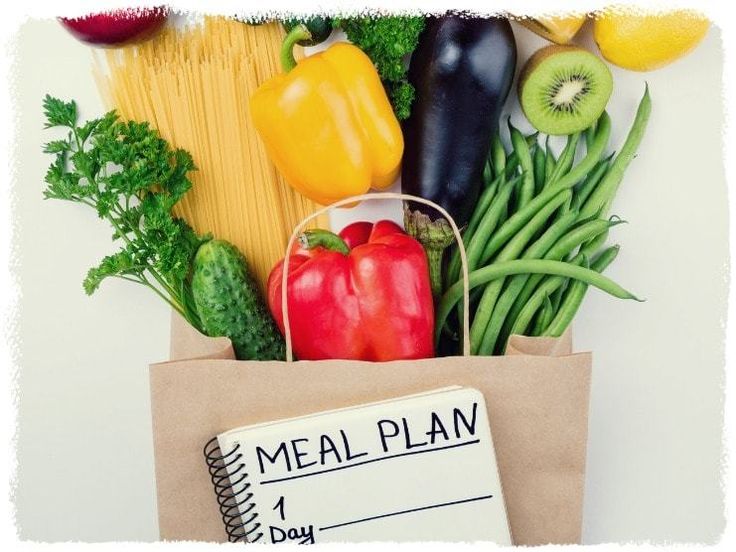
In urban Pakistan, where fast food and restaurant dining often take the front seat, healthy eating can sometimes feel out of reach, especially when trying to stick to a budget. However, with a little planning, eating healthily and affordably is entirely possible. This blog will help you create an easy meal plan for the week that focuses on nutrition while keeping costs down.
Why Meal Planning Matters
Meal planning is more than just a way to save money; it also helps maintain a balanced diet. With a little effort, planning meals can lead to better food choices, reduce the temptation for unhealthy snacks, and help you stick to a consistent eating schedule. Plus, it prevents last-minute decisions that often result in takeout or unhealthy processed foods.
The Basics of Meal Planning
Start by choosing a few simple meals to rotate throughout the week. A meal plan doesn’t need to be fancy; the key is to include nutritious foods that provide the energy and nutrients you need for the day. Here are a few staple items that should make up your weekly shopping list:
- Whole Grains: Rice, chapati, oats
- Proteins: Lentils, beans, eggs, chicken, or fish
- Vegetables: Seasonal and local vegetables like spinach, tomatoes, carrots, and cauliflower
- Fruits: Apples, bananas, oranges, and seasonal fruits like mangoes and papayas
- Healthy Fats: Olive oil, ghee (in moderation), and nuts
Budget-Friendly Shopping Tips
Shopping for fresh ingredients doesn’t have to be expensive. Here are a few tips to help you save money while buying nutritious foods:
- Buy Local and Seasonal Produce: Local fruits and vegetables are cheaper and fresher, so always look for what’s in season.
- Shop in Bulk: Items like rice, lentils, and flour last longer, so buy them in bulk to save money.
- Comparison Shop: Visit different markets, especially local ones, to compare prices. You may find better deals.
- Avoid Processed Foods: Pre-packaged snacks and processed meals can be expensive. Stick to whole, raw ingredients whenever possible.
Sample Daily Meal Plan (Budget-Friendly)
Here’s an example of a healthy and affordable meal plan for one day:
- Breakfast:
A bowl of oats with fresh fruit or two boiled eggs with whole wheat toast. - Lunch:
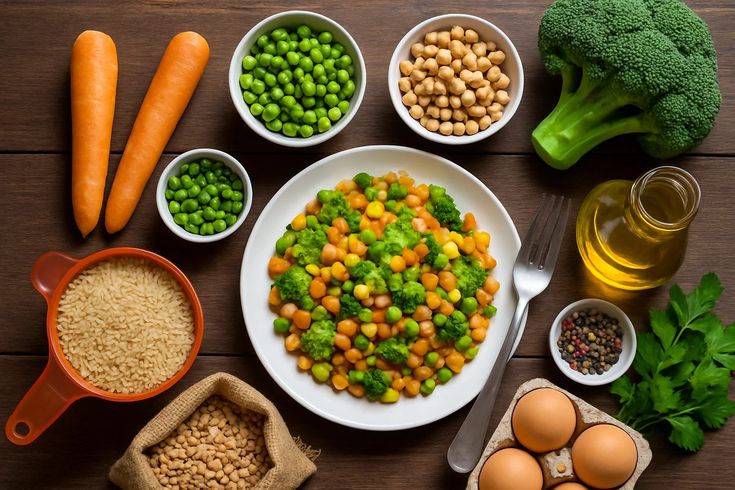
Lentil dal with brown rice and a side of mixed vegetables (carrots, peas, and spinach). - Snack:
A piece of fruit like an apple or banana, or a small serving of yogurt. - Dinner:
Grilled chicken or chickpea curry with chapati, and a small side of sautéed greens like spinach or mustard greens.
Cooking Tips for a Healthier Meal
- Use Minimal Oil: Opt for healthier oils like olive oil, and use them sparingly. Grilling or steaming vegetables instead of frying is a great way to retain nutrients.
- Batch Cook: Cook large portions of food at once and store them for the next few days. This saves time and effort, and you’ll have healthy food ready to go when needed.
- Reduce Salt and Sugar: Try to limit added salt and sugar. Use natural herbs and spices for flavoring instead.
The Health Benefits of Meal Planning
By planning your meals, you’ll ensure you’re eating a balanced diet that supports overall health. A diet rich in whole grains, proteins, and vegetables improves digestion, boosts immunity, and provides energy throughout the day. Additionally, cooking at home helps you control the ingredients, meaning fewer preservatives and unhealthy additives.
Conclusion
Meal planning doesn’t have to be complicated. By sticking to a few basic principles—choosing affordable ingredients, cooking in batches, and focusing on simple, nutritious meals—you can eat healthily without breaking the bank. Start by planning your meals for the week, and you’ll soon see the positive impact on both your health and your wallet.