
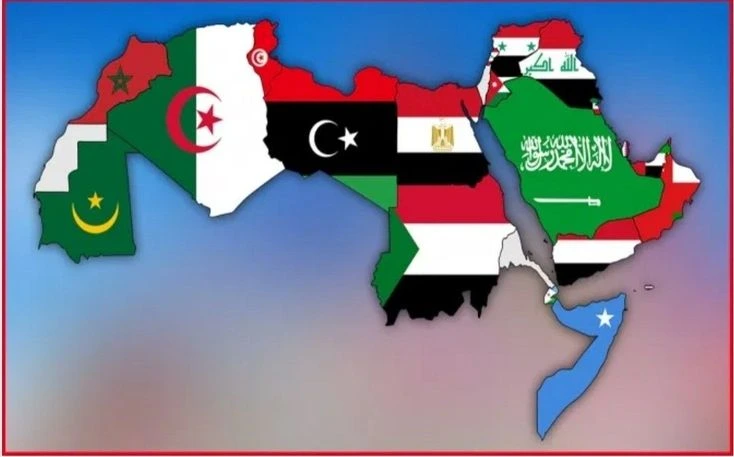

Muslim country flags are powerful symbols of national pride, culture, and the Islamic faith. With over 50 Muslim-majority countries around the world, each flag carries unique elements that reflect the nation’s identity, history, and values. This blog will explore the key elements found in Muslim country flags and what they represent.
How Many Muslim Countries Are There in the World?
There are more than 50 Muslim-majority countries worldwide. These countries, located in regions such as the Middle East, Southeast Asia, North Africa, and Central Asia, make up a significant portion of the world’s population. From Saudi Arabia to Indonesia, each country has its own distinct flag that incorporates various symbols of Islam.
Common Elements in Muslim Country Flags
The flags of Muslim countries often share certain elements that are deeply tied to Islamic traditions. These include colours, symbols, and shapes that reflect the faith, unity, and history of the countries.
1. Crescent and Star
The crescent and star are among the most common symbols found on Muslim country flags. These symbols have been associated with Islam for centuries. The crescent is often seen as a symbol of progress and enlightenment, while the star represents guidance and knowledge. Countries like Turkey, Pakistan, and Malaysia feature these symbols prominently.
2. Green Color
The color green holds significant importance in Islam, often symbolizing peace, nature, and fertility. It is commonly seen in Muslim flags, such as those of Saudi Arabia and Pakistan, where it represents the Islamic faith and its deep roots in the countries’ histories.
3. Red, White, and Black Colors
Many Muslim country flags use the colors red, white, and black, each symbolizing different values:
- Red: Courage, strength, and sacrifice.
- White: Peace, purity, and honesty.
- Black: Resilience, determination, and strength.
For example, the flag of Tunisia has a red background with a white crescent and star, while Egypt uses red, white, and black in horizontal stripes.
Notable Muslim Country Flags and Their Meanings
1. Saudi Arabia
The Saudi Arabian flag features a green background with white Arabic calligraphy of the Shahada (the Islamic declaration of faith) and a sword. The green color symbolizes Islam, and the sword represents the strength and protection of the kingdom.
2. Turkey
Turkey’s flag is known for its red background with a white crescent and star. The red symbolizes the sacrifices made for independence, while the crescent and star reflect the Islamic heritage of the country.
3. Pakistan
The flag of Pakistan uses green to represent Islam and the white portion symbolizes religious minorities. The crescent and star are symbols of progress and guidance, deeply rooted in Islamic tradition.
4. Malaysia
The flag of Malaysia has 14 red and white stripes, symbolizing the 13 states and the federal government. The blue canton with a yellow crescent and 14-point star represents the unity of the states and Islam.
The Evolution of Muslim Country Flags
Muslim flags have evolved, reflecting changes in political, social, and religious landscapes. For instance, the flag of Iran has undergone several transformations, particularly after the 1979 Islamic Revolution, when a new flag was adopted to reflect the nation’s Islamic identity.
Conclusion
The flags of Muslim countries are rich in symbolism, reflecting both national pride and the Islamic faith. From the common use of the crescent and star to the prominent green color, each flag tells the unique story of the country it represents. As the Muslim world continues to grow and evolve, these flags remain an important part of their national identity, serving as a symbol of unity, faith, and history.