
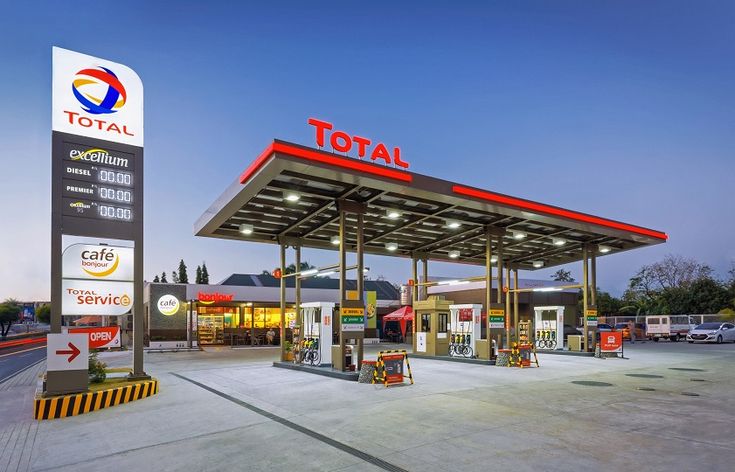

The new fuel price in Pakistan 2026 has been officially updated, bringing another increase in petrol and diesel rates. This change directly affects daily commuters, transport costs, and overall inflation in the country.
Fuel prices are revised regularly based on international oil rates and economic conditions, and this latest update is one of the biggest in recent months. For More information visit the PAK NET.
📊 Latest Petrol & Diesel Prices in Pakistan
Here are the updated fuel prices:
- Petrol: Rs. 393.35 per litre
- High-Speed Diesel: Rs. 380.19 per litre
Previous Prices:
- Petrol: Rs. 366.58 per litre
- Diesel: Rs. 353.42 per litre
This means both petrol and diesel have increased by Rs. 26.77 per litre, putting extra pressure on consumers.
📈 Why Fuel Prices Increased
Several key factors caused this increase:
1. International Oil Market
Pakistan imports fuel, so global oil price changes directly affect local rates.
2. Rupee Depreciation
A weaker currency increases the cost of imported fuel.
3. Government Taxes
Petroleum levy and other taxes raise the final fuel price.
4. Supply & Distribution Costs
Transport and refining costs also contribute to higher prices.
🚗 Impact on Daily Life
The increase in fuel prices impacts almost everyone:
- Public transport fares go up
- Food and grocery prices increase
- Delivery and ride-hailing costs rise
- Overall inflation increases
Even small daily travel can now cost significantly more each month.
💡 Tips to Save Fuel
With rising prices, here are simple ways to reduce fuel usage:
- Avoid unnecessary trips
- Keep tyres properly inflated
- Drive smoothly (no sudden acceleration)
- Use carpooling when possible
- Maintain your vehicle regularly
🔮 What to Expect Next
Fuel prices in Pakistan may continue to fluctuate depending on global oil trends and economic conditions. Consumers should be prepared for further changes in the coming months.
📌 Final Thoughts
The new fuel price in Pakistan highlights the ongoing economic challenges faced by the public. As petrol prices approach Rs. 400 per litre, managing fuel expenses has become more important than ever.